
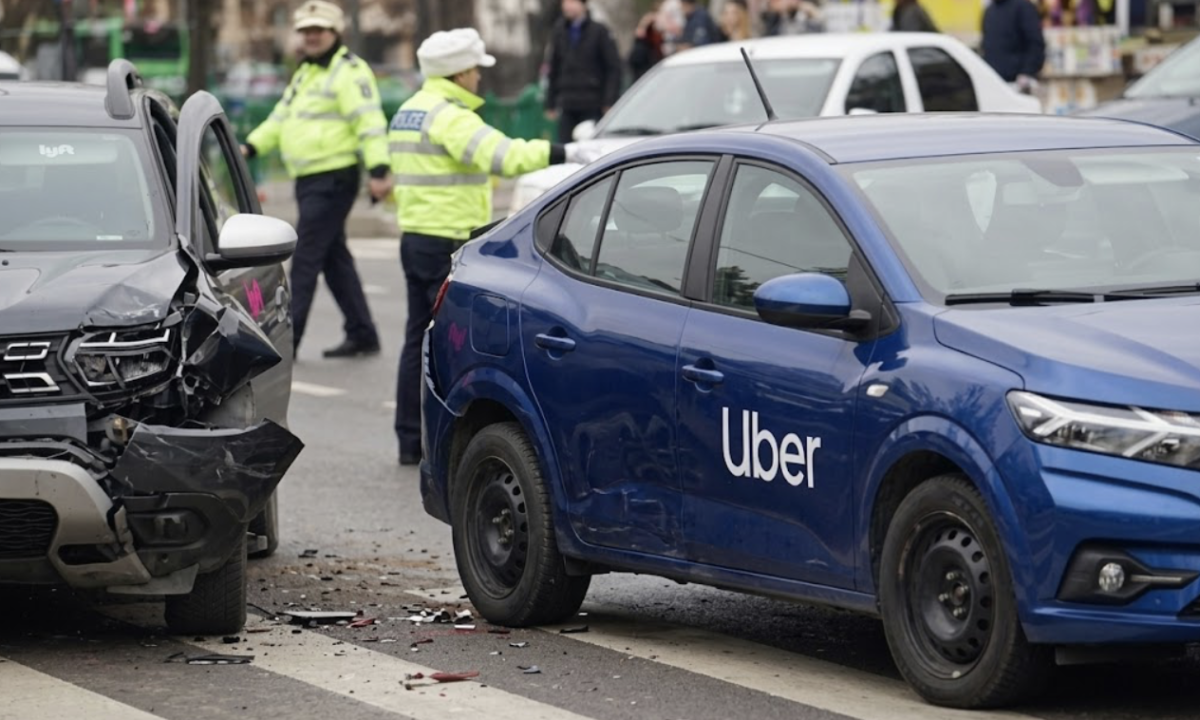
Rideshare crashes are not like ordinary car accidents. The driver may be a contractor, the company may deny responsibility, and the insurance that applies can change depending on what the app was doing at the moment of the collision. In San Diego, where rideshare use is heavy, those details decide which policy pays.
Three different moments, three different policies
California requires rideshare companies such as Uber and Lyft to carry commercial liability coverage, but the amount depends on the driver’s status in the app:
- App off: the driver’s personal auto policy applies, and it may exclude commercial use.
- App on, waiting for a request: the company’s contingent coverage applies at lower limits.
- Ride accepted, passenger on board: the company’s commercial policy generally applies at $1 million per incident.
That structure is why the first question in a rideshare case is not “who was driving” but “what was the app doing”. The answer is in the driver’s app records and the company’s trip data, which is why they need to be preserved quickly.
Who can be sued
The driver is usually the primary defendant. Whether the company is also liable depends on California’s rules on vicarious liability and on the company’s own conduct — for example, how it screened the driver, whether it knew of prior complaints, or whether it breached a duty in the way it operated. Cases often proceed against both while the facts are developed.
What if the driver has no insurance or low limits
Your own uninsured and underinsured motorist coverage may respond, and California insurers must offer it. A household policy may also apply. Where the injuries are serious, the difference between the company’s $1 million policy and the driver’s personal limits is the whole case, so establishing the app status early is critical.
Evidence to preserve
- Trip receipt, driver name and vehicle details
- App status at the time of the crash
- Dash camera and phone data
- Surveillance video from nearby businesses
- The crash report and witness statements
- Medical records and photographs of the injuries
Deadlines
Most California personal injury claims must be filed within two years under Code of Civil Procedure § 335.1. If a public entity is involved — a city vehicle, a bus, a defective road — a written government claim is generally due within six months under Government Code § 911.2.
What to do after a rideshare crash
- Call 911 and get medical treatment.
- Save the trip receipt and screenshot the app.
- Photograph the scene, the vehicles and the other driver’s information.
- Report the crash to your own insurer.
- Do not give a recorded statement to the rideshare company’s insurer.
- Have the case reviewed before the trip data is deleted.
Related: San Diego car accidents · San Diego personal injury